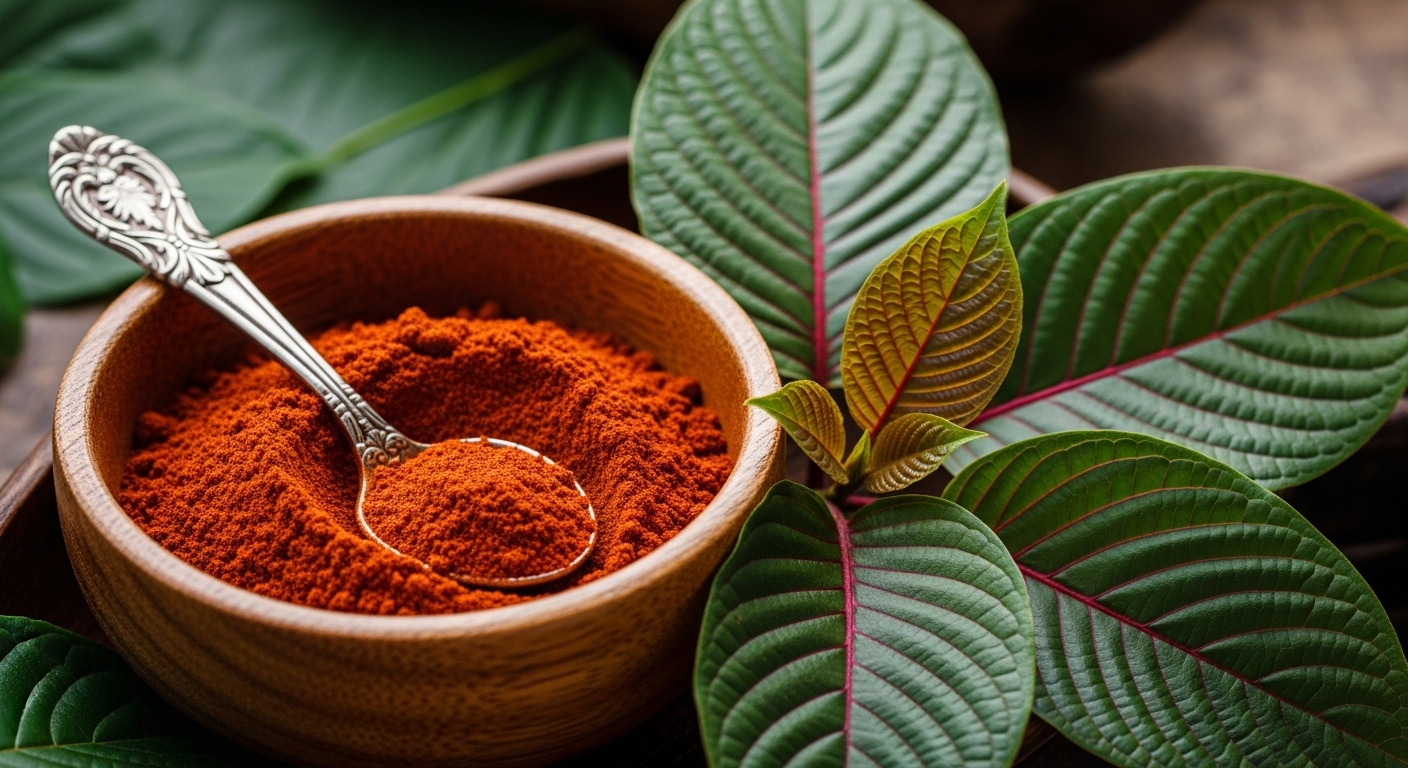
You’re standing in front of your computer screen, about to buy Red Maeng Da Kratom for the first time.
And then you see it: the same product. Same strain. Same vendor. But two different formats.
Capsules or powder?
Look, this isn’t just about convenience. It’s about bioavailability, cost-effectiveness, and whether you’ll actually stick with your routine. I’ve seen countless people buy the wrong format, hate the experience, and then blame the strain itself.
That’s not fair to Red Maeng Da. And it’s not fair to your wallet.
Here’s the truth: both formats work. But one is probably better for your specific lifestyle. And by the end of this article, you’ll know exactly which one.
Let’s break down what real users are saying, what the data shows, and how to make the right choice without wasting money.
The Real Difference Between Red Maeng Da Capsules and Powder
Most articles will tell you the obvious stuff: capsules are pre-measured, powder is cheaper.
But that’s not the whole story.
The format you choose affects three critical factors:
- Onset time: How quickly you feel the effects
- Intensity: How strong the experience is
- Consistency: How reliably you get the same results
Red Maeng Da powder hits faster. Period.
When you consume powder (mixed in liquid or using the “toss and wash” method), it starts breaking down in your stomach immediately. Most users report feeling effects within 15-20 minutes.
Capsules? They need to dissolve first. That adds 10-15 minutes to your onset time. For some people, that delay matters. For others, it’s worth the trade-off.
What Users Actually Say About Red Maeng Da Capsules
Here’s what the capsule crowd loves:
No taste. Red Maeng Da powder is earthy and bitter. Some people don’t mind it. Most people hate it. Capsules eliminate that problem completely.
Perfect for travel. Try bringing kratom powder through airport security or keeping it discreet at work. Capsules look like any other supplement. No mess. No questions.
Consistent dosing. Red Maeng Da kratom Dose capsules typically contain 0.5 to 1 gram, so you know your serving size, effects, no guessing.
But here’s the downside nobody talks about: capsules cost more per gram. Sometimes twice as much.
If you’re using Red Maeng Da daily, that adds up fast. A 250-gram bag of powder might last you two months. The same amount in capsules? You’ll pay 40-60% more.
Is the convenience worth it? That depends on your budget and how much you value ease of use.
Why Powder Users Swear By Their Method
The powder community is passionate. And they have good reasons.
Cost efficiency is the big one. If you’re buying quality Red Maeng Da from a reputable vendor, powder gives you the best value. You’re not paying for gelatin capsules, encapsulation labor, or extra packaging.
Flexible dosing is another major advantage. With powder, you can fine-tune your dose down to the tenth of a gram. Want to try 2.3 grams instead of 2.5? Easy. With capsules, you’re stuck with fixed increments.
Faster effects matter to people who use Red Maeng Da for specific situations. If you need relaxation or discomfort relief quickly, powder delivers.
But let’s be honest about the challenges:
The taste is rough. Even mixed with orange juice or chocolate milk, you’re still tasting it. And the “toss and wash” method (dumping powder in your mouth and washing it down) takes practice. Mess it up, and you’ll be coughing powder for five minutes.
You also need equipment. A digital scale is essential for consistent dosing. Eyeballing powder is a terrible idea. Dosing errors with Red Maeng Da can mean the difference between relaxation and sedation.
The Hidden Factor: Bioavailability and Absorption
Here’s something most people don’t consider: how your body processes each format.
Red Maeng Da powder, when properly mixed with liquid, has maximum surface area exposure in your digestive system. That means faster and potentially more complete absorption of alkaloids.
Capsules need to dissolve first. Depending on the capsule material (gelatin vs. vegetarian cellulose) and your stomach’s pH level, dissolution time varies. Some users report that vegetarian capsules take longer to break down.
Does this mean powder is objectively better? Not necessarily.
Some users find that capsules provide a more sustained release. The delayed dissolution might actually create a gentler, longer-lasting experience. If you’re using Red Maeng Da for all-day relaxation, that could be a benefit, not a drawback.
The Cost Analysis You Need to See
Let’s talk numbers.
A 250-gram bag of quality Red Maeng Da powder typically costs between 40-60 dollars from reputable vendors. That’s roughly 16-24 cents per gram.
The same strain in capsule form? You’re looking at 60-100 dollars for 250 grams. That’s 24-40 cents per gram.
If you take 4 grams per day:
- Powder: 64-96 cents per day
- Capsules: 96 cents to 1.60 dollars per day
Over a month, that’s a difference of 10-20 dollars. Over a year? 120-240 dollars.
Is convenience worth an extra 200 dollars annually? For some users, absolutely. For others, that money could buy two extra months of supply.
What First-Time Red Maeng Da Users Should Choose
If you’ve never tried Red Maeng Da before, here’s what makes sense:
Start with capsules if you’re sensitive to taste, want foolproof dosing, or value discretion. The extra cost is worth it while you’re figuring out your ideal dose and whether this strain works for you.
Start with powder if you’re budget-conscious, already comfortable with supplements, and don’t mind the taste. Just invest in a good digital scale (15-20 dollars) from day one.
Many experienced users actually keep both formats on hand. Capsules for travel and work. Powder for home use. That hybrid approach gives you flexibility without breaking the bank.
The Quality Question That Matters More Than Format
Here’s what really matters: the quality of your Red Maeng Da matters infinitely more than the format.
A premium powder from a vendor who lab-tests for alkaloid content and contaminants will outperform cheap capsules every single time. And vice versa.
Look for vendors who provide:
- Third-party lab testing for alkaloids, heavy metals, and microbials
- Batch-specific certificates of analysis
- Clear sourcing information from Southeast Asian suppliers
- GMP-certified facilities if you’re buying capsules
The format debate becomes meaningless if you’re buying low-quality product. Red Maeng Da’s characteristic relaxing properties depend on proper harvesting, drying, and storage. No format can fix poor-quality leaf.
Conclusion: Choose Based on Your Life, Not Hype
The capsule-versus-powder debate isn’t really about Red Maeng Da at all.
It’s about how you live your life.
Are you always on the go? Capsules make sense. Do you have a consistent home routine? Powder saves you money. Hate bitter tastes? Capsules. Want maximum control over dosing? Powder.
Both formats deliver the same alkaloid profile. Both can provide the relaxing, calming effects that make Red Maeng Da popular. The difference is in the delivery mechanism, not the destination.
So stop overthinking it. Pick the format that fits your lifestyle and budget. Buy from a quality vendor who lab-tests their products. Start with a conservative dose. And adjust from there.
That’s how you get the Red Maeng Da experience you’re looking for, whether it comes in a capsule or a bag of powder.
What matters most isn’t the format. It’s consistency, quality, and finding what works for your body.
Now you know enough to make that decision confidently.