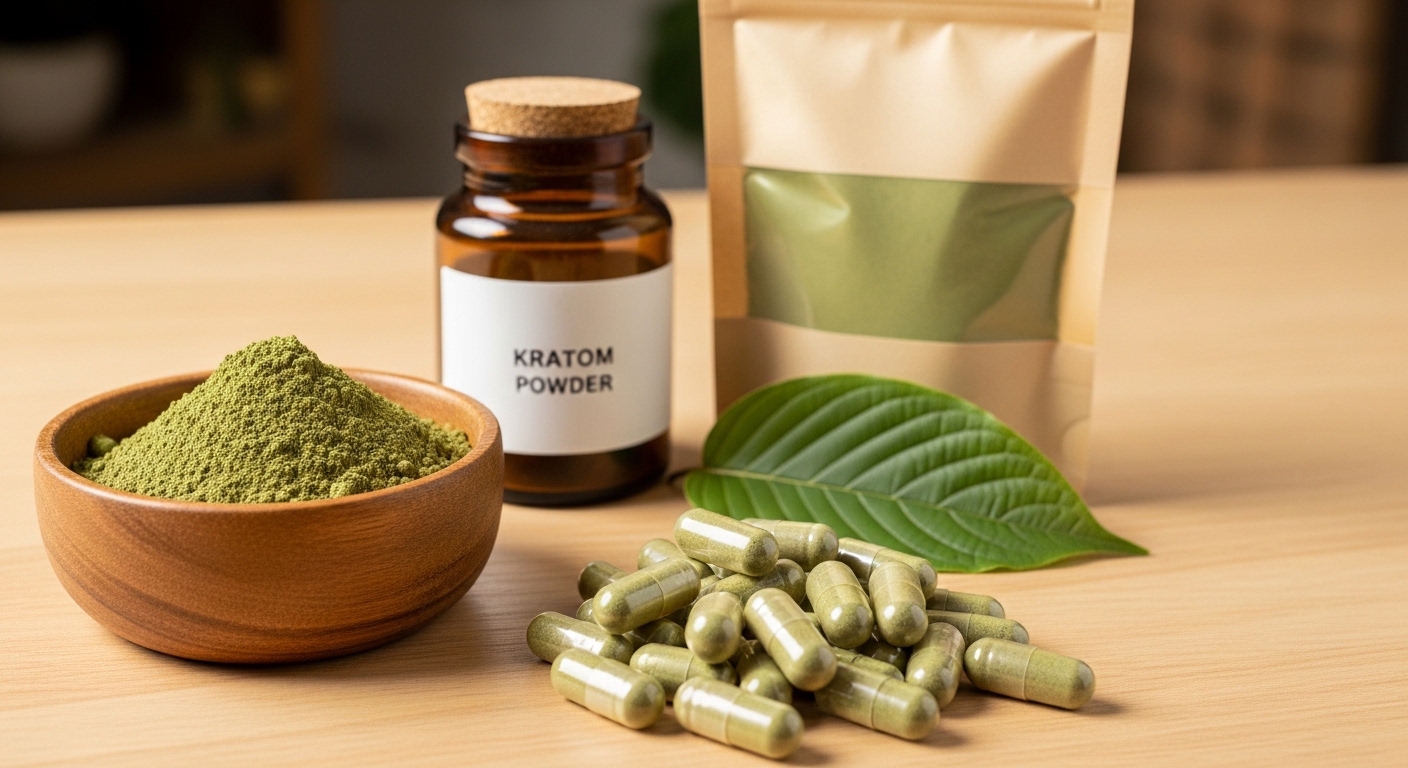
You’re about to waste money on kratom that doesn’t work. Most buyers do. They fall for flashy websites, fake reviews, and meaningless labels like “premium” or “ultra-enhanced.” The truth is, finding best kratom brands requires a system, not luck. This guide shows you exactly how to evaluate powder quality, pick the right strains for your needs, and avoid the vendors who are ripping you off.
- How to identify quality kratom powder using three simple tests
- Which strains actually work for focus and productivity
- The red flags that expose bad vendors immediately
- How to compare brands without falling for marketing hype
- Proven methods to verify freshness and potency
Why Most Kratom Buyers Get Ripped Off
Stop wasting money on vendors who don’t test their products. The kratom market is flooded with low-grade powder that sits in warehouses for months. You can’t see alkaloid content with your eyes. You can’t smell potency. Without a system, you’re gambling.
The bottom line: Bad kratom costs you twice. First, you pay for powder that doesn’t work. Second, you waste time figuring out why your dosage suddenly stopped being effective.
Smart buyers check three things before ordering: lab testing, vendor reputation, and product freshness. Skip any of these, and you’re asking for problems.
How to Identify Best Kratom Brands
Real talk: the kratom sellers don’t hide behind vague claims. They publish third-party lab results. They source from specific regions in Southeast Asia. They answer questions about alkaloid content without deflecting.
Here’s what separates quality vendors from scammers:
- Lab Testing: Every batch should have a Certificate of Analysis (COA) showing alkaloid percentages and contaminant screening
- Transparency: The vendor lists harvest dates, origin regions, and processing methods
- Customer Service: They respond to questions about dosing and strain differences within 24 hours
- No Hype: Product descriptions focus on effects and alkaloid profiles, not miracle stories
Don’t be fooled by fancy packaging. A vendor selling “Super Premium Maeng Da” in gold foil bags means nothing if they can’t show you lab results from the last 60 days.
The Smart Way to Evaluate Kratom Powder Quality
You need a checklist. Use this every time you consider a new vendor.
Visual Inspection
Quality kratom powder has a fine, consistent texture. It should look like flour, not sand. The color tells you about freshness:
- Bright green: Fresh, recently processed
- Dull brown-green: Older stock, degraded alkaloids
- Yellow-brown: Oxidized or improperly stored
Clumpy powder means moisture exposure. Moisture destroys alkaloids and creates mold risk. Pass immediately.
Smell Test
Fresh kratom has a distinct earthy, slightly bitter smell. If it smells like hay, dust, or nothing at all, the alkaloids have degraded. You want powder that was harvested and processed within the last six months.
Alkaloid Content Verification
This is where most buyers fail. The best kratom brands publish lab results showing mitragynine and 7-hydroxymitragynine percentages. Look for:
- Mitragynine: 1.2% to 1.8% for quality powder
- 7-Hydroxymitragynine: 0.01% to 0.05%
Anything claiming higher percentages is either enhanced (not pure powder) or lying. Enhanced products are fine if labeled honestly, but you need to know what you’re buying.
Strain Selection: What Actually Works for Productivity
Here’s the truth: strain names are inconsistent across vendors. “Maeng Da” from one brand won’t match another’s. Focus on vein color and effects, not exotic names.
White Vein Strains
Best for focus and energy. Use these for work sessions when you need mental clarity without jitters. Start with 2-3 grams if you’re new.
Top choices:
- White Maeng Da
- White Borneo
- White Thai
Green Vein Strains
Balanced option for sustained productivity. Less stimulating than whites, but still effective for concentration. Good for all-day use.
Proven options:
- Green Malay
- Green Maeng Da
- Green Indo
Red Vein Strains
Skip these for work. Reds are sedating and better for relaxation after hours. They’ll kill your productivity during the day.
Red Flags That Expose Bad Kratom Vendors
Take control of your buying decisions. Walk away immediately if you see:
- No lab testing available: If they can’t provide COAs on request, they’re hiding something
- Ridiculous claims: “Strongest kratom ever” or “pharmaceutical grade” are marketing lies
- No return policy: Quality vendors stand behind their products
- Pressure tactics: “Limited time” or “almost sold out” on every product
- Rock-bottom prices: Quality kratom costs $80-$150 per kilogram wholesale. Retail should reflect that
Vendors charging $30 per kilo are selling garbage or lying about weight. The math doesn’t work otherwise.
How to Compare Kratom Brands Effectively
Don’t trust reviews on vendor websites. They’re filtered. Use this comparison method instead:
Create a Vendor Scorecard
| Criteria | Vendor A | Vendor B | Vendor C |
|---|---|---|---|
| Lab testing published | Yes/No | Yes/No | Yes/No |
| Harvest date listed | Yes/No | Yes/No | Yes/No |
| Price per 100g | $XX | $XX | $XX |
| Return policy | XX days | XX days | XX days |
| Response time | XX hours | XX hours | XX hours |
Score each vendor. The one with the most “Yes” answers and reasonable pricing wins.
Order Small First
Never buy a kilo from a new vendor. Order 100-250 grams to test quality. If it works consistently at your normal dose, scale up. If you need double your usual amount to feel effects, the alkaloid content is weak.
The Proven Method for Finding Your Best Kratom Brand
Here’s your action plan:
- Research three vendors with published lab results and good return policies
- Order 100g samples of the same strain from each
- Test each one at your standard dose on separate days
- Track results for consistency and effectiveness
- Stick with the winner and order larger quantities
This costs you maybe $50-75 upfront but saves hundreds long-term. You’re not guessing anymore.
Dosage and Strain Matching for Work
It’s not magic. Finding your effective dose takes experimentation, but follow this framework:
For focus and productivity:
- Start with 2-3 grams of white or green vein
- Take on an empty stomach
- Wait 30-45 minutes
- Assess effects for 4-6 hours
If effects are too weak:
- Increase by 0.5 grams next time
- Don’t redose the same day
If effects are too strong:
- Reduce by 0.5 grams next time
- Drink more water
Most working adults find their sweet spot between 2-5 grams. Going higher doesn’t mean better results. It means tolerance buildup and wasted powder.
Conclusion: Take Control of Your Kratom Purchases
You now have the system the best kratom brands don’t want you to know. Lab testing, visual inspection, vendor scorecards, and small test orders eliminate guesswork. Stop trusting marketing claims. Start verifying quality yourself.
Your next steps:
- Make a list of three vendors with published lab results
- Order small samples of one white or green strain from each
- Test them using the dosage tracking method
- Choose your primary vendor based on consistency, not price
- Buy larger quantities only after you’ve verified quality
The smart way to buy kratom is boring. No shortcuts, no hype, just verification and testing. That’s exactly why it works.