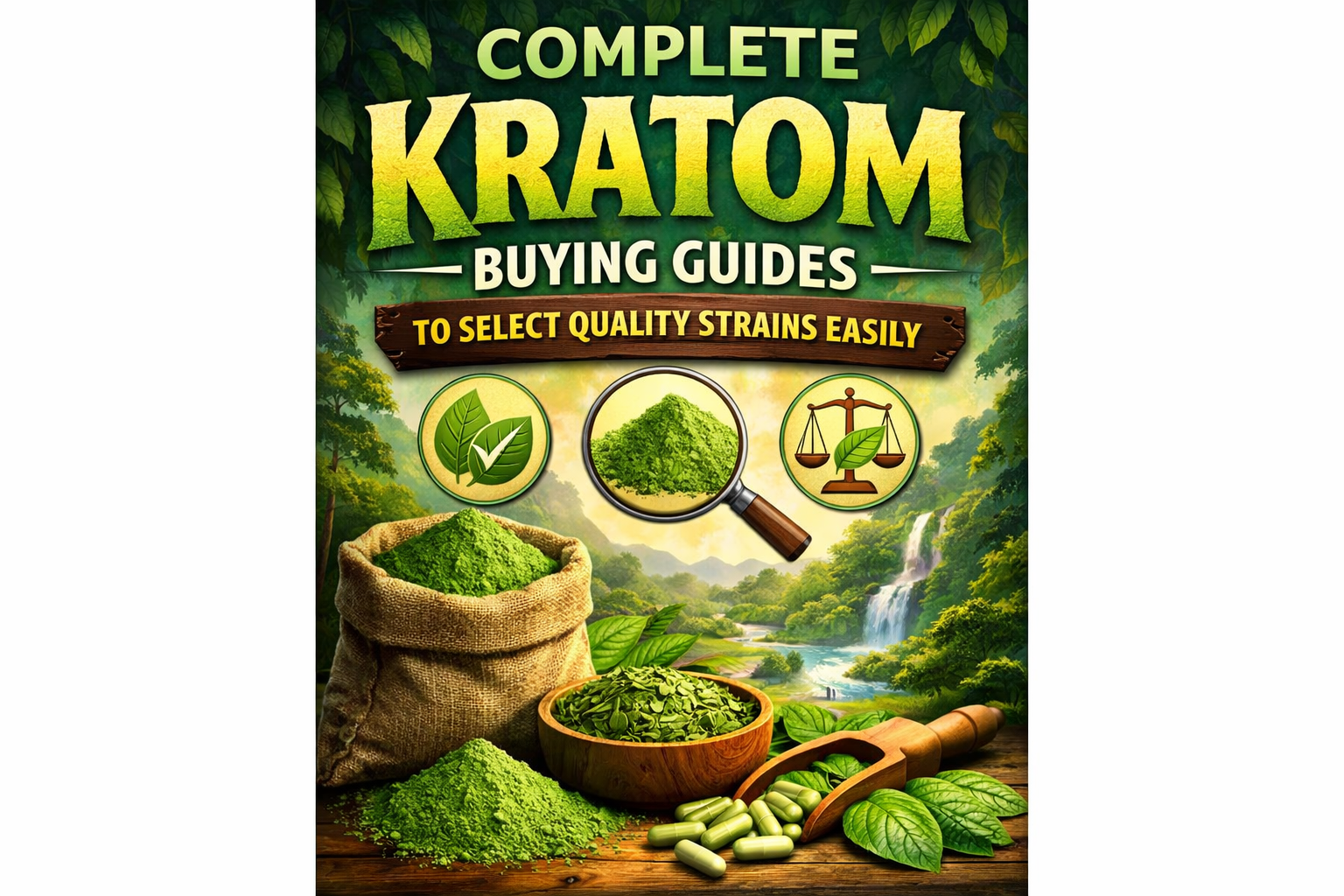
Navigating the kratom market can feel overwhelming with countless products, strains, and vendors competing for attention. With the botanical supplement industry experiencing rapid growth, distinguishing quality kratom from subpar alternatives has become increasingly challenging for both newcomers and experienced users. Understanding how to identify the best kratom brands and select appropriate strains requires knowledge of key quality indicators, testing standards, and vendor reliability. This comprehensive guide empowers readers with the essential information needed to make confident purchasing decisions and avoid common pitfalls in the kratom marketplace.
- Quality verification through third-party lab testing is non-negotiable when selecting kratom products
- Reputable vendors prioritize transparency, provide detailed product information, and maintain consistent quality standards
- Strain selection should align with individual needs, considering alkaloid profiles and vein color characteristics
- Price comparison across multiple sources helps identify fair market value without compromising quality
- Customer reviews and community feedback provide valuable insights into vendor reliability and product effectiveness
Understanding Kratom Quality Standards
Quality kratom begins with proper cultivation, harvesting, and processing techniques. Premium products come from mature trees grown in optimal conditions within Southeast Asia, particularly Indonesia, Thailand, and Malaysia. The harvesting process significantly impacts alkaloid content, with experienced farmers selecting leaves at peak maturity.
Key quality indicators include:
- 🌿 Freshness – Vibrant color and strong aroma indicate recent processing
- 🔬 Purity – Free from contaminants, additives, and fillers
- 📊 Alkaloid content – Consistent mitragynine and 7-hydroxymitragynine levels
- 🏆 Processing methods – Proper drying and grinding techniques preserve potency
- 📜 Documentation – Complete batch tracking and transparent sourcing information
Third-party laboratory testing represents the gold standard for quality verification. Reputable vendors provide Certificates of Analysis (COA) confirming their products are free from heavy metals, pesticides, microbiological contaminants, and adulterants. These documents should be readily accessible on vendor websites or available upon request.
Identifying The Best Kratom Brands
Distinguishing exceptional kratom brands from mediocre suppliers requires evaluating multiple factors beyond marketing claims. The best kratom brands demonstrate unwavering commitment to quality control, customer satisfaction, and ethical business practices. These vendors invest in relationships with trusted farmers, maintain rigorous testing protocols, and provide comprehensive product education.
Essential Criteria For Top-Tier Vendors
| Criteria | What To Look For | Red Flags |
|---|---|---|
| Lab Testing | Current COAs for every batch | No testing or outdated results |
| Transparency | Detailed sourcing information | Vague origin claims |
| Customer Service | Responsive, knowledgeable support | Poor communication |
| Product Range | Diverse, well-organized selection | Limited or inconsistent inventory |
| Pricing | Competitive with quality justification | Unusually cheap or expensive |
| Reviews | Consistent positive feedback | Numerous complaints or fake reviews |
Established kratom vendors typically maintain professional websites with educational resources, clear product descriptions, and straightforward purchasing processes. They honor satisfaction guarantees and demonstrate accountability when issues arise.
Exploring Kratom Strain Varieties
Kratom strains derive their names from leaf vein color and geographic origin, each offering distinct characteristics. Understanding these differences enables informed selection based on individual preferences and desired effects.
Vein Color Categories
Red Vein Kratom 🔴 The most popular variety, red vein kratom comes from mature leaves with red-colored veins. These strains are known for their well-rounded alkaloid profile and are favored by experienced users seeking relaxation and comfort.
Green Vein Kratom 🟢 Representing a middle ground, green vein varieties offer balanced characteristics. Many users appreciate green strains for their versatility and moderate effects, making them suitable for various situations throughout the day.
White Vein Kratom ⚪ Harvested from younger leaves, white vein strains contain unique alkaloid ratios. These varieties are popular among those seeking energizing and uplifting experiences, particularly during morning hours.
Yellow/Gold Vein Kratom 🟡 These specialized strains result from unique drying processes or blending techniques. Yellow and gold varieties often combine characteristics from multiple vein colors, offering distinctive profiles.
Comparing Product Forms And Formats
Kratom products come in various forms, each offering distinct advantages and considerations. Understanding these options helps match product format with personal preferences and lifestyle requirements.
Available Product Types
- Powder – Traditional and versatile, kratom powder allows flexible dosing and various consumption methods
- Capsules – Pre-measured and convenient, capsules eliminate taste concerns and simplify on-the-go use
- Extracts – Concentrated formulations offering enhanced potency in smaller quantities
- Crushed Leaf – Minimally processed material suitable for traditional preparation methods
- Liquid Extracts – Fast-acting tinctures providing alternative consumption options
Each format requires different storage considerations to maintain freshness. Powder and crushed leaf benefit from airtight containers kept in cool, dark locations. Capsules need protection from moisture, while liquid extracts should follow manufacturer storage recommendations.
Price Considerations And Value Assessment
Understanding kratom pricing helps identify fair market value and avoid overpaying for standard products. Prices vary based on strain rarity, processing methods, vendor overhead, and quality assurance investments.
Typical Price Ranges
- Standard Powder: $8-15 per 100 grams
- Premium Strains: $12-20 per 100 grams
- Capsules: $15-25 per 100 count
- Extracts: $20-50 per 10 grams
- Bulk Purchases: Significant discounts for kilogram quantities
Extremely low prices often indicate quality compromises, including outdated product, contamination risks, or adulterated material. Conversely, exorbitant pricing doesn’t guarantee superior quality—some vendors exploit inexperienced buyers with inflated costs for ordinary products.
Bulk purchasing from trusted vendors provides the best value for regular users. Many top-tier suppliers offer tiered pricing structures, rewarding larger orders with substantial discounts while maintaining consistent quality standards.
Reading And Understanding Lab Reports
Certificate of Analysis documents contain critical information about product safety and quality. Learning to interpret these reports empowers informed purchasing decisions and helps verify vendor claims.
Essential Lab Report Components
Heavy Metal Testing 🔬 Lab reports should confirm kratom is free from dangerous heavy metals including lead, arsenic, mercury, and cadmium. These contaminants can accumulate in soil where kratom trees grow, making testing essential for consumer safety.
Microbial Analysis 🦠 Testing for bacteria, mold, yeast, and other microorganisms ensures products are safe for consumption. Look for confirmation of acceptable levels of total plate count, E. coli, Salmonella, and other pathogens.
Alkaloid Profile 📊 Advanced testing quantifies mitragynine and 7-hydroxymitragynine content, providing insight into product potency. While not all vendors provide alkaloid testing, this information helps verify strain authenticity and batch consistency.
Pesticide Screening 🌱 Comprehensive reports include testing for common agricultural chemicals. Quality kratom should be free from pesticides, herbicides, and fungicides that could pose health risks.
Conclusion
Selecting quality kratom requires knowledge, diligence, and commitment to working with reputable vendors. By prioritizing third-party lab testing, evaluating vendor transparency, understanding strain characteristics, and recognizing fair pricing, consumers can confidently navigate the kratom marketplace. The best kratom brands distinguish themselves through consistent quality, comprehensive testing, and genuine customer care.
Success in kratom purchasing comes from treating vendor relationships as partnerships, staying informed about industry standards, and avoiding common pitfalls that compromise quality or safety. Start by identifying 2-3 highly-rated vendors with strong testing protocols, order sample sizes of different strains, and gradually build your knowledge through personal experience and community engagement.