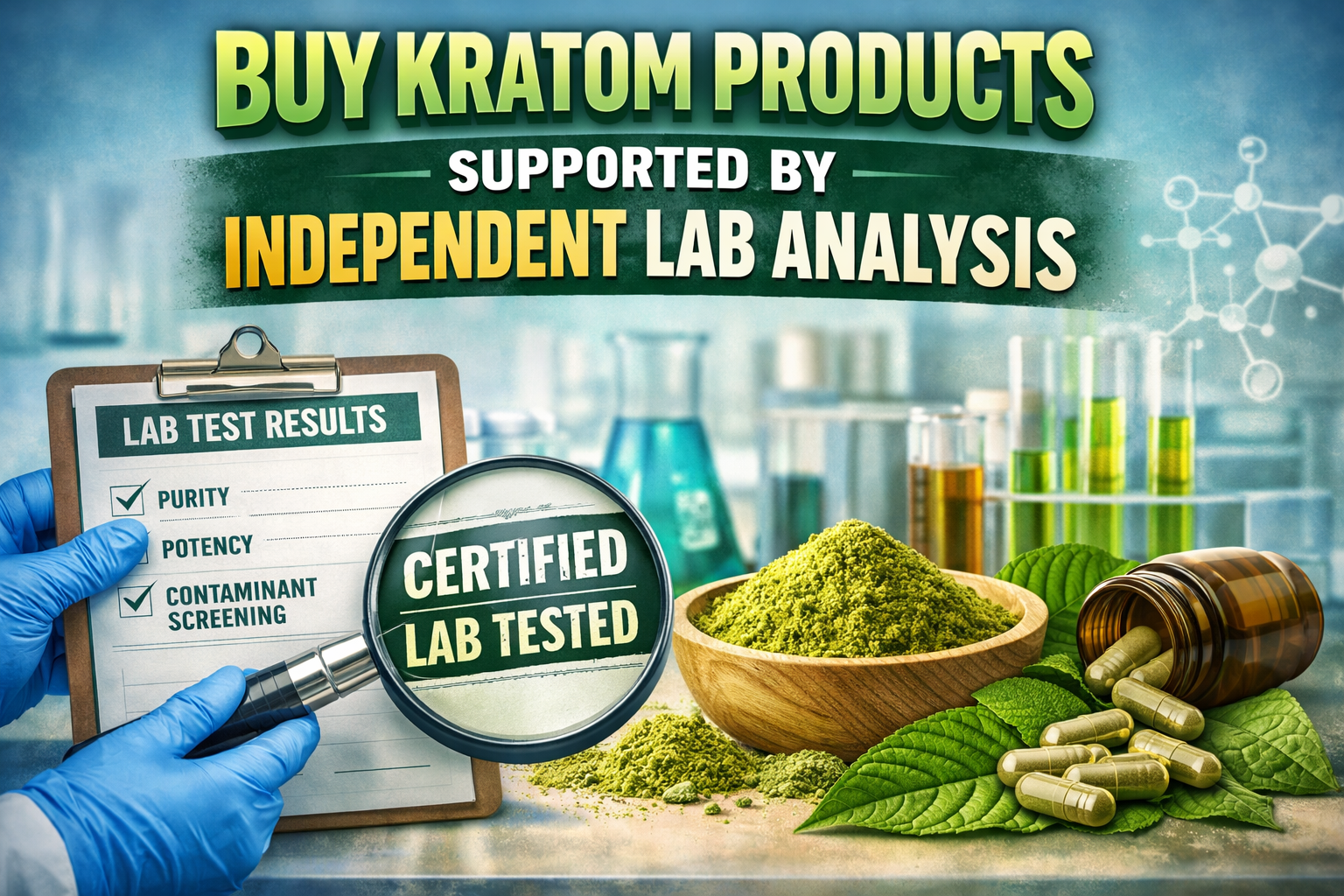
In an industry where quality control can make the difference between a beneficial experience and a potentially harmful one, savvy consumers are increasingly demanding transparency and scientific verification. The kratom market has exploded in recent years, yet not all products are created equal—making it essential to identify the Best Kratom Brands that prioritize third-party testing and verifiable lab results. Understanding how to navigate this landscape can protect your health while ensuring you receive authentic, potent products.
- Independent lab testing is the gold standard for verifying kratom purity, potency, and safety
- The Best Kratom Brands provide easily accessible certificates of analysis (COAs) for every product batch
- Third-party testing screens for contaminants including heavy metals, pesticides, and harmful bacteria
- Look for brands that test alkaloid content to ensure consistent potency across batches
- Transparency in lab reporting separates reputable vendors from questionable sellers
Why Independent Lab Analysis Matters
The kratom industry operates in a regulatory gray area in many regions, which means quality control standards vary dramatically between suppliers. Independent laboratory analysis serves as an objective safeguard, protecting consumers from contaminated or adulterated products.
Third-party testing provides verification that goes beyond a vendor’s own claims. These laboratories use sophisticated equipment and standardized methodologies to detect:
- Heavy metals (lead, mercury, arsenic, cadmium)
- Microbial contaminants (salmonella, E. coli, mold)
- Pesticides and herbicides
- Alkaloid profiles (mitragynine and 7-hydroxymitragynine content)
- Adulterants or synthetic additives
When searching for reliable kratom vendors, certificates of analysis should be non-negotiable. The Best Kratom Brands understand that transparency builds trust and loyalty within their customer base.
What Sets the Best Kratom Brands Apart
Quality kratom brands distinguish themselves through comprehensive testing protocols and transparent business practices. These kratom vendors invest significantly in quality assurance because they understand that consumer safety directly impacts their reputation and longevity in the marketplace.
Comprehensive Testing Protocols 🔬
Top-tier companies don’t settle for minimal testing. They implement multi-stage verification processes:
- Source material testing before processing
- In-process quality checks during manufacturing
- Final product analysis before distribution
- Batch-specific documentation with unique identifiers
This rigorous approach ensures consistency and safety across every product line, from powders to capsules to extracts.
Accessible Documentation
The Best Kratom Brands make lab results easily accessible to customers. Look for vendors who:
- Display COAs directly on product pages
- Provide batch numbers on packaging
- Maintain an online database of test results
- Update testing documentation regularly
- Use QR codes for instant verification
“Transparency isn’t optional—it’s fundamental to building trust in an industry that desperately needs standardization.” This philosophy separates premium kratom brands from questionable suppliers.
Understanding Certificates of Analysis
A certificate of analysis (COA) is a formal document issued by an accredited laboratory detailing the composition and purity of a tested product. For kratom consumers, learning to read these documents is an essential skill.
Key Components of a Valid COA
| Element | What to Look For |
|---|---|
| Laboratory Name | Accredited, independent third-party facility |
| Test Date | Recent testing (within 6-12 months) |
| Batch/Lot Number | Matches product packaging |
| Alkaloid Content | Specific percentages of mitragynine and 7-hydroxymitragynine |
| Contaminant Screening | “Not Detected” or below safety thresholds |
| Signature/Certification | Official laboratory seal and authorized signature |
Red Flags to Watch For ⚠️
Be cautious of vendors who:
- Refuse to provide lab results upon request
- Display outdated or generic COAs
- Show results that don’t match batch numbers
- Use in-house testing exclusively
- Make exaggerated purity claims without documentation
How to Identify Reputable Testing Laboratories
Not all laboratories offer the same level of expertise or accreditation. The Best Kratom Brands partner with facilities that maintain rigorous standards and industry recognition.
Laboratory Credentials to Verify
ISO/IEC 17025 Accreditation: This international standard ensures laboratories meet specific competency requirements for testing and calibration.
GMP Certification: Good Manufacturing Practice certification indicates the lab follows pharmaceutical-grade quality standards.
DEA Registration: For alkaloid analysis, laboratories should maintain proper registration with relevant regulatory bodies.
Industry Recognition: Established reputations within the botanical testing community signal reliability and expertise.
Common Testing Methods
Professional laboratories employ various analytical techniques:
- HPLC (High-Performance Liquid Chromatography): Measures alkaloid content with precision
- ICP-MS (Inductively Coupled Plasma Mass Spectrometry): Detects heavy metals at trace levels
- PCR Testing: Identifies microbial DNA for contamination screening
- GC-MS (Gas Chromatography-Mass Spectrometry): Analyzes volatile compounds and adulterants
The Role of Alkaloid Testing
Alkaloid content determines kratom’s potency and consistency. The Best Kratom Brands recognize that customers deserve to know exactly what they’re consuming.
Primary Alkaloids
Mitragynine: The most abundant alkaloid, typically comprising 60-70% of total alkaloid content. Different strains and vein colors contain varying concentrations.
7-Hydroxymitragynine: Present in smaller quantities (usually 1-2%) but significantly more potent. This alkaloid contributes substantially to kratom’s effects.
Why Alkaloid Percentages Matter
Consistent alkaloid profiles ensure:
- Predictable experiences across batches
- Appropriate serving size guidance
- Quality control verification
- Strain authenticity confirmation
Reputable vendors publish alkaloid percentages for each batch, allowing customers to make informed purchasing decisions based on their preferences and tolerance levels.
Building Consumer Confidence Through Transparency
In an industry often criticized for lack of regulation, forward-thinking kratom vendors are establishing new standards through voluntary compliance and radical transparency.
The American Kratom Association GMP Program
The AKA’s Good Manufacturing Practice certification program sets comprehensive standards for kratom production, including:
- Facility cleanliness and organization
- Employee training requirements
- Documentation and record-keeping
- Testing and quality control protocols
- Proper labeling and marketing practices
Vendors who achieve GMP certification demonstrate commitment to excellence that extends beyond basic compliance. When evaluating the Best Kratom Brands, GMP certification serves as a valuable indicator of quality commitment.
Customer Education Initiatives
Premium vendors invest in educating their customer base about:
- How to read lab reports
- What quality indicators to look for
- Proper storage and handling
- Serving size recommendations
- Strain characteristics and differences
This educational approach empowers consumers to make informed decisions and raises industry standards across the board.
Questions to Ask Before Purchasing
Protecting yourself starts with asking the right questions. Before committing to any vendor, consider these essential inquiries:
Testing and Quality Assurance
- Do you provide third-party lab results for every batch?
- Which laboratory conducts your testing?
- How often do you test your products?
- Can I access COAs before purchasing?
- What contaminants do you screen for?
Sourcing and Processing
- Where do you source your kratom?
- What quality control measures exist during processing?
- How do you ensure consistency between batches?
- What is your return or satisfaction guarantee policy?
Transparency and Communication
- How do you handle customer complaints or concerns?
- Are your customer service representatives knowledgeable about your products?
- Do you provide detailed product information beyond basic descriptions?
The Best Kratom Brands welcome these questions and provide clear, confident answers backed by documentation.
Conclusion
The kratom industry stands at a crossroads between unregulated chaos and professional standardization. Consumers hold tremendous power to shape this trajectory by supporting vendors who prioritize independent lab analysis and transparent business practices. The Best Kratom Brands have already embraced third-party testing as an essential component of their operations, recognizing that quality assurance builds lasting customer relationships and elevates the entire industry.
When purchasing kratom products, demand documentation. Verify laboratory credentials. Compare alkaloid profiles and contaminant screening results. These simple steps protect your health while rewarding companies that invest in quality and transparency.